 Third Biome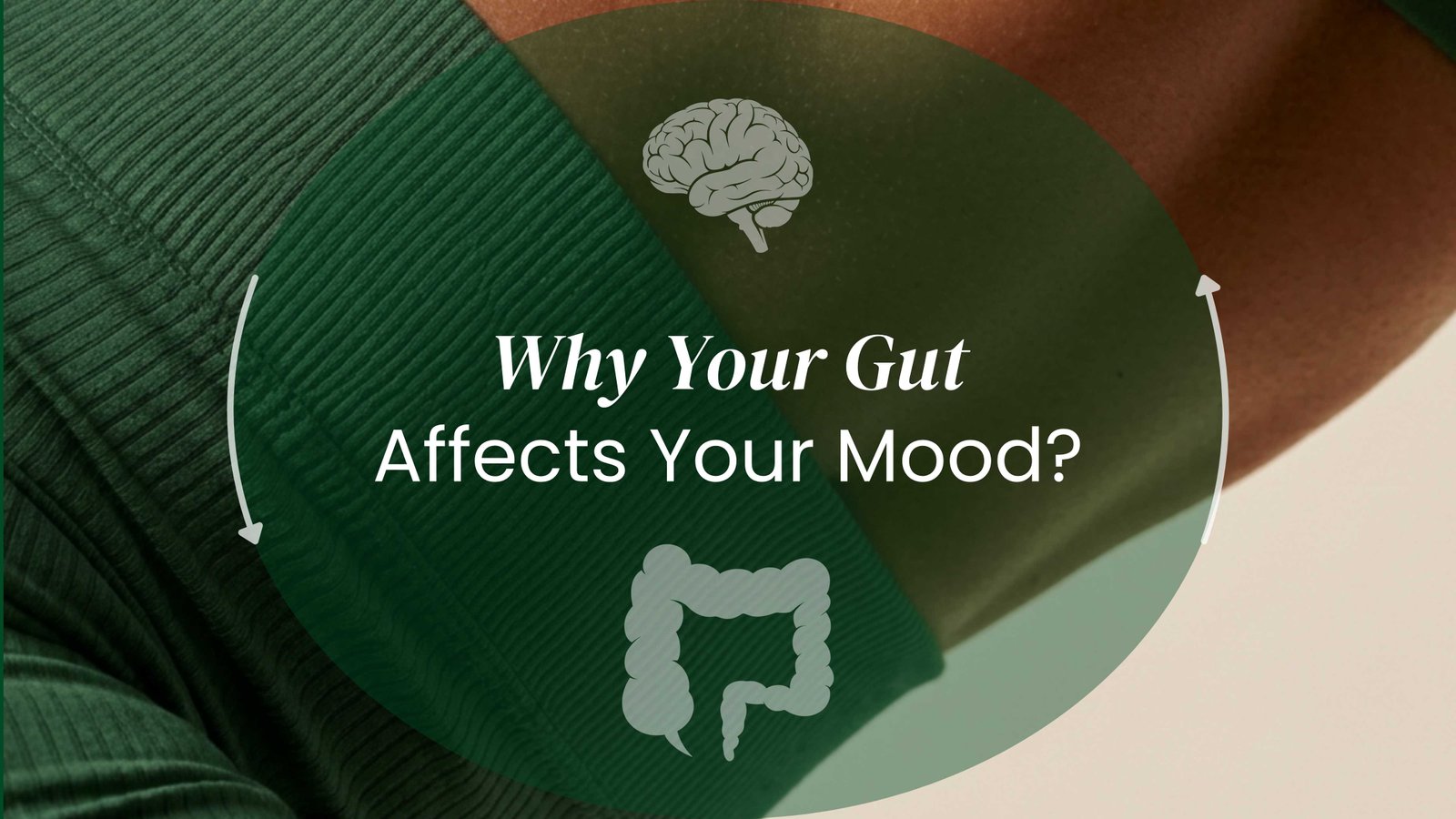
You are sitting in a meeting in Bangalore. The presentation is important. You have prepared. But the thoughts are slow, the focus is scattered, and there is a low-grade fog behind your eyes that makes clear thinking feel effortful. You blame poor sleep. You blame your workload. You reach for another coffee.
You have not considered your gut. You should. Because your gut sends 500 million nerve signals to your brain every single day — and if the gut is inflamed, dysbiotic, or butyrate-deficient, many of those signals are disrupted. The brain fog, the mood instability, the 3 pm crash—for millions of Indian professionals, these are gut problems wearing the mask of mental health challenges.
What Is the Gut-Brain Axis?
The gut-brain axis (GBA) is a bidirectional communication network between the central nervous system (CNS) and the enteric nervous system (ENS), the gut's own intrinsic neural network. This system involves the vagus nerve, the hypothalamic-pituitary-adrenal (HPA) axis, the immune system, and a complex array of neurotransmitters and neuropeptides, many of which are produced or regulated in the gut.
The ENS contains over 500 million neurons — more than the spinal cord. The vagus nerve — the longest cranial nerve in the body — runs from the brainstem to the colon, transmitting information in both directions. Critically, approximately 90% of vagal signals travel from the gut to the brain, not the other way around. This means the gut is more often telling the brain how to function than receiving instructions from it.
Your gut is not just processing food. It is continuously reporting on your internal environment to your brain, influencing your mood, cognition, stress response, and energy regulation in real time.
The Serotonin Fact Nobody Told You
Approximately 90 to 95% of the body's serotonin — the neurotransmitter most associated with mood stability, social confidence, and emotional regulation — is produced in the gut, not the brain. Specifically, serotonin is synthesised by enterochromaffin cells in the gut lining, using tryptophan from the diet as a precursor.
Here is the critical dependency: serotonin production in the gut requires an intact gut lining and a balanced microbiome. When the gut lining is compromised—as it is in the vast majority of urban Indians with butyrate deficiency—enterochromaffin cell function is disrupted. Serotonin synthesis decreases. And the downstream effects show up not in the gut, but in the brain: low mood, anxiety, poor emotional regulation, and disrupted sleep.
Butyrate—delivered via Thirdbiome GTB—supports gut lining integrity, which directly supports enterochromaffin cell function and serotonin synthesis. This is the gut-brain axis mechanism through which Third Biome addresses mental performance alongside gut health.
Gut Inflammation and Brain Fog: The Cytokine Connection
When the gut lining is compromised (leaky gut), bacterial endotoxins — specifically lipopolysaccharides (LPS) from gram-negative bacteria — enter the bloodstream. The resulting endotoxemia triggers a systemic inflammatory response, raising circulating levels of proinflammatory cytokines, including IL-6, IL-1β, and TNF-alpha.
These cytokines cross the blood-brain barrier. Inside the brain, they suppress the activity of dopamine-producing neurons in the prefrontal cortex and reduce neurotrophin production (particularly BDNF — brain-derived neurotrophic factor). The result is impaired executive function, reduced working memory, slowed processing speed, and diminished motivation — what most people call brain fog.
This is not a metaphorical connection. It is a documented neuroinflammatory pathway, consistently demonstrated in research on IBS, IBD, and systemic inflammation. And it is why individuals with chronic gut inflammation frequently report cognitive symptoms even without any primary neurological condition.
Energy, the Microbiome, and the 3 PM Crash
The 3pm energy crash—universal enough to be a cultural phenomenon in Indian office culture—has a microbiome explanation that goes beyond inadequate sleep or insufficient caffeine.
Short-chain fatty acids, including butyrate, are significant contributors to cellular energy production. They feed mitochondria in gut cells and peripheral tissues, supporting stable ATP production throughout the day. When butyrate levels are low, mitochondrial function in gut cells is impaired, systemic inflammation rises, and the inflammatory cytokine load further disrupts energy metabolism in peripheral cells—including muscle and brain cells.
Add to this the cortisol rhythm: cortisol, which naturally peaks in the morning and falls through the afternoon, becomes dysregulated under chronic gut inflammation. When gut-derived inflammatory signals keep cortisol elevated longer than normal, the afternoon drop becomes more pronounced—felt as the 3 pm crash.
The Stress-Gut Cycle: Why Urban India Is Caught in It
The gut-brain axis is bidirectional—stress affects the gut, and gut dysfunction amplifies stress. This creates a self-reinforcing cycle that is particularly prevalent among India's urban professional class:
• Work stress elevates cortisol, which suppresses gut microbiome diversity and reduces butyrate production.
• Butyrate deficiency weakens the gut lining, increasing intestinal permeability and systemic inflammation.
• Systemic inflammation raises circulating cytokines, which cross the blood-brain barrier and impair dopamine and serotonin signalling.
• Impaired neurotransmitter function reduces stress resilience, making the next stressor feel more overwhelming.
• Heightened stress response further elevates cortisol, restarting the cycle.
Breaking this cycle requires addressing the gut-brain axis at its biological root. Thirdbiome GTB—by restoring butyrate to the gut lining—reduces intestinal permeability, lowers the endotoxemia that drives systemic inflammation, supports serotonin synthesis, and creates the biological conditions for improved stress resilience.
What Thirdbiome GTB Does for Your Brain
Third Biome does not market Thirdbiome GTB (microencapsulated glycerol tributyrate) as a brain supplement. It is a postbiotic gut health supplement. But through the gut-brain axis mechanisms described above, the following cognitive and mood-related benefits are scientifically plausible outcomes of improved gut health:
• Reduced brain fog through lower systemic inflammation and reduced cytokine burden on the prefrontal cortex
• More stable mood through restored gut lining integrity and serotonin precursor availability
• Better afternoon energy through mitochondrial support and normalised cortisol rhythm
• Improved stress resilience through reduced HPA axis dysregulation driven by gut inflammation
• Better sleep quality through gut-derived serotonin and GABA precursor signalling
The gut is the upstream driver of downstream mental performance. Fix the gut—with the right postbiotic tool—and the cognitive and emotional benefits often follow without any additional intervention.
Frequently Asked Questions
Q: What is the gut-brain axis?
A: The gut-brain axis is the bidirectional communication network between the gut's enteric nervous system and the brain's central nervous system, mediated by the vagus nerve, immune signals, and neurotransmitters. The gut sends approximately 90% of signals to the brain, making gut health a primary driver of mood, cognition, and energy.
Q: Does gut health affect mood?
A: Yes. The gut produces 90-95% of the body's serotonin. When the gut lining is compromised—as it is in butyrate deficiency—serotonin production decreases. Gut inflammation also raises systemic cytokines that cross the blood-brain barrier and impair dopamine signaling. Gut health is directly and mechanistically connected to mood.
Q: Can fixing my gut reduce brain fog?
A: For brain fog caused by gut-derived systemic inflammation — the most common type in urban Indian professionals — yes. When Thirdbiome GTB restores gut lining integrity and reduces intestinal permeability, the inflammatory cytokine load on the brain decreases, and cognitive function often improves. Join the T3B Club at thirdbiome.com to start your 30-day protocol.
Q: What causes the 3pm energy crash?
A: The 3pm crash in Indian professionals is often driven by butyrate deficiency affecting mitochondrial energy production, gut-derived inflammation disrupting cortisol rhythm, and poor gut lining integrity allowing endotoxins into circulation that impair cellular energy metabolism. It is frequently a gut problem, not a sleep or diet problem.
Q: How does Third Biome address the gut-brain connection?
A: Thirdbiome GTB delivers butyrate directly to the gut lining, repairing tight junctions, reducing intestinal permeability, and lowering the systemic inflammation that drives gut-brain axis disruption. The result—through restored serotonin synthesis, reduced neuroinflammation, and normalised cortisol rhythm—is improved mood, focus, and energy.
Q: Is brain fog a symptom of gut problems?
A: For many urban Indians, yes. Chronic brain fog without a primary neurological cause is frequently a manifestation of gut-derived inflammation crossing the blood-brain barrier. IBS, leaky gut, and microbiome dysbiosis are all associated with cognitive symptoms in the research literature.
Ready to experience the postbiotic difference? Third Biome's Biome Balance, powered by Thirdbiome GTB, is India's first patented postbiotic capsule—developed in Chennai, backed by science, and tailored for the Indian gut. Join the T3B Club waitlist at thirdbiome.com and take our free Gut Health Quiz to find your gut health score in just 3 minutes.